Images: courtesy Uki Village Gardens
STEP 3: Prepare Your Emergency Food Supply
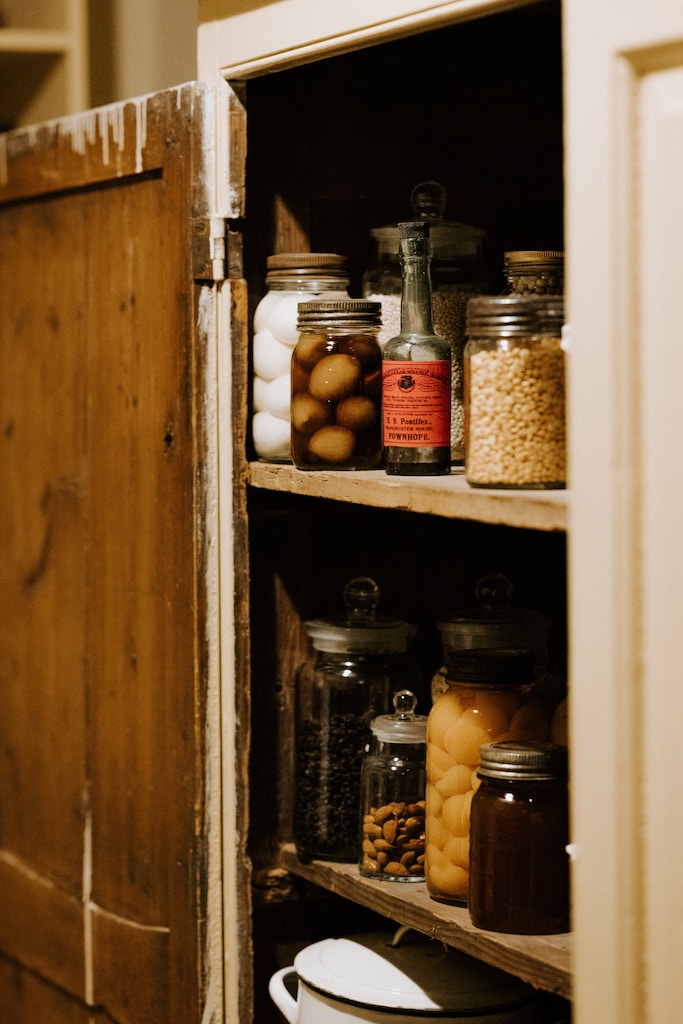
NSW Health has the following advice on food items to consider for disasters including a suggested pantry list to help you prepare.
Go to Health NSW’s ‘Preparedness Page’
The Government of Switzerland has a useful tool to help you gauge exactly how much emergency supplies you need for your household (and you can adjust for number of people in the household, food intolerances and more).
Calculate your household’s emergency supply requirements
In April 2026, in the wake of fuel supply issues, the Guardian published a very thought provoking piece on the kinds of foods to store (and share!). The article shares an example of what a week’s supply of stored food would look like for a family of four.
Read The Guardian article on foocs to keep in your emergency store.
What does genuine food security look like?
Dr Jean Renouf, CEO of Safer Future and Chair of Plan C here in the Northern Rivers, wrote this interesting article drawing from original disaster research in our region, to examine this question. Read here.
Grow your own food
Growing a home garden is one of the best ways to include fresh fruits and vegetables in your diet and to have a supply of fresh food in the event of a disaster.
Storing a year’s supply of garden seeds is a great way to ensure that you can continue growing food for the long term.
There are lots of local folks doing wonderful things out there, so keep an eye out around the community for workshops, food and plant swaps, etc. Online the ‘Grow it Local’ initiative Grow It Local is a community of backyard, balcony, community and window-sill farmers from all over Australia and on their site there is information, you can ask questions and they host free online gardening webinars.
STEP 4: Learn About Food Safety - Before, During and After a Disaster
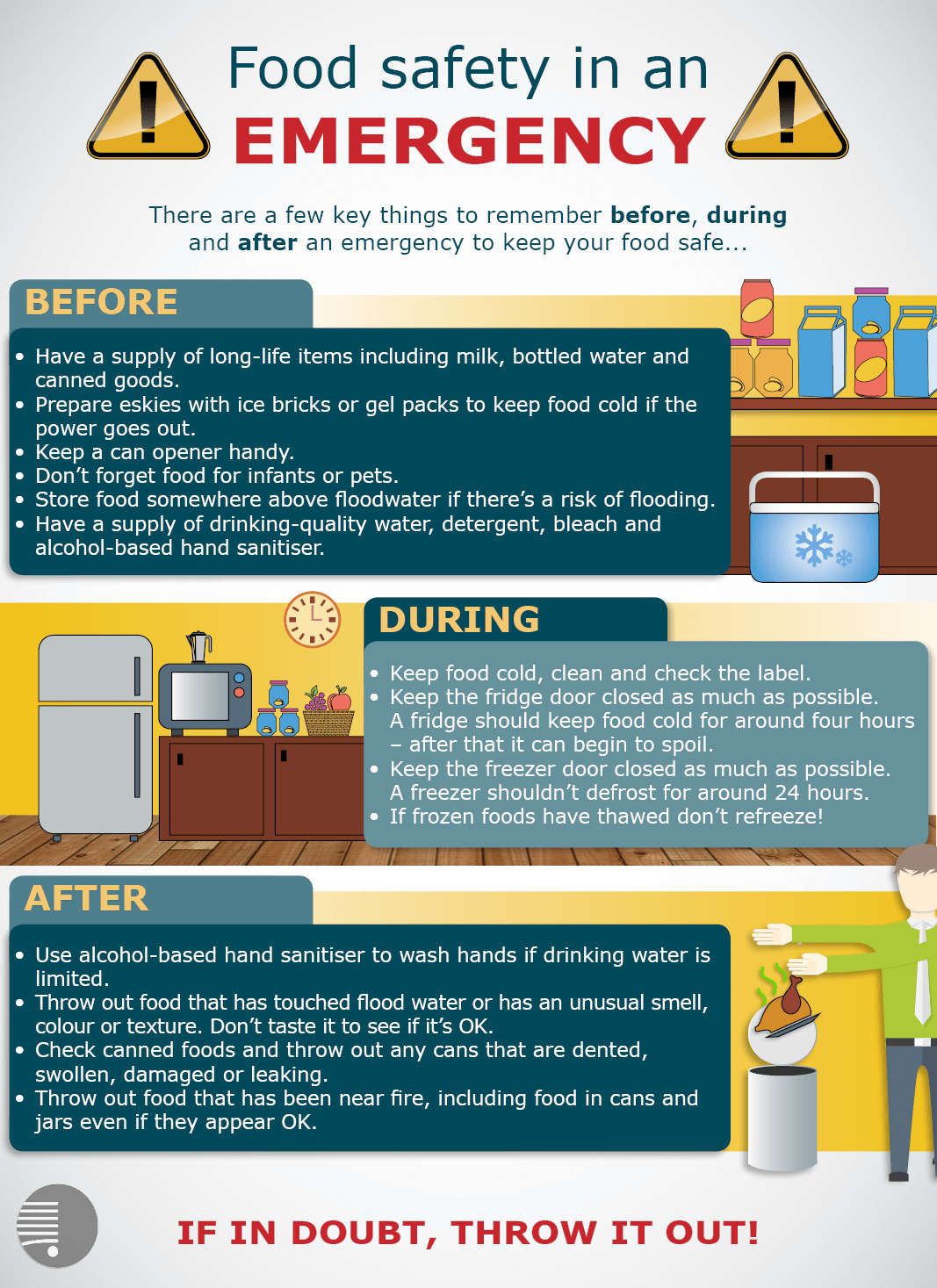
Check out the following guidelines on food safety.
Download ‘Food Safety Guidelines’
Food Safety Tips provided by the Food Safety Information Council.
STEP 5: Connect with your Neighbours and Community Network
Getting to know your neighbours is an important part of preparing your household.
Neighbours can help each other in many ways including sharing food and cooking for each other if your area or street is cut off during a severe weather event.
Join your neighbourhood group if you haven’t already and connect with your neighbours.
Go to RUKI’s ‘Neighbourhood Groups’ page
Networks to join:
- Feeding Uki Facebook Page
www.facebook.com/groups/feedinguki
- Uki Village Garden Page
www.facebook.com/UkiCommunityGardens
- Murwillumbah Community Garden Facebook page
www.facebook.com/MurwillumbahCommunityGarden
Have you thought about starting your own gardening group?
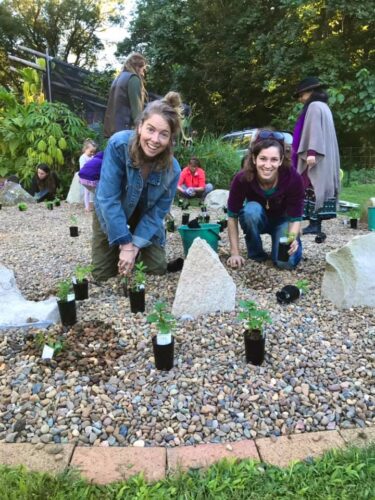
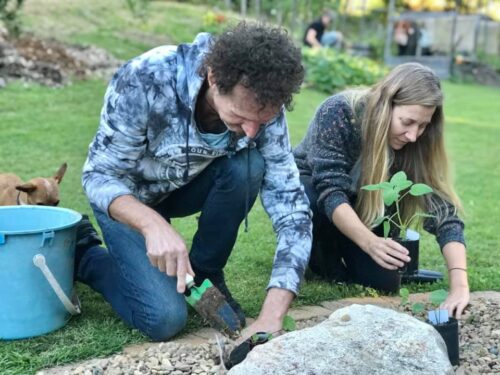
In blue-sky times, when there’s no disasters, you might consider asking a few nearby households if they’d like to join together for a regular monthly working bee/garden club. A few of us in Resilient Uki do this. We have six households involved in our group, and on the first Sunday of the month, we take it in turns to visit a different household and do lots of gardening. The host provides morning tea and we all leave feeling very satisfied with our group effort, learning from each other and generally having a good time. We are even talking about purchasing some more expensive equipment together, and we do plenty of food/seed swaps. As there’s six households in our little group, each household gets two turns a year. As they say, many hands make light work!
Resources
Plan C is an organisation that is aiming to build the resilience and regenerative capacities of Northern Rivers communities in the face of disasters and crises.
A recent report about the Northern Rivers food systems by Plan C is useful in understanding our current food situation and challenges that we face.
Download Plan C’s ‘NR Food Security’ study
Go to the link below for more information about their work on building food resilience for the Northern Rivers region.